1. Quick call, clear plan
You tell the team what was found and where. It explains how the sweep will go and what access it needs.
Pleasanton, KS · Linn County
Worried about what is hiding in drawers, bags or a vacant building in Pleasanton? Call (877) 812-4220. Crews check the whole space, collect sharps with tools and clean up afterward.
If anyone is in danger, call 911 first. For a suicide crisis, call or text 988.
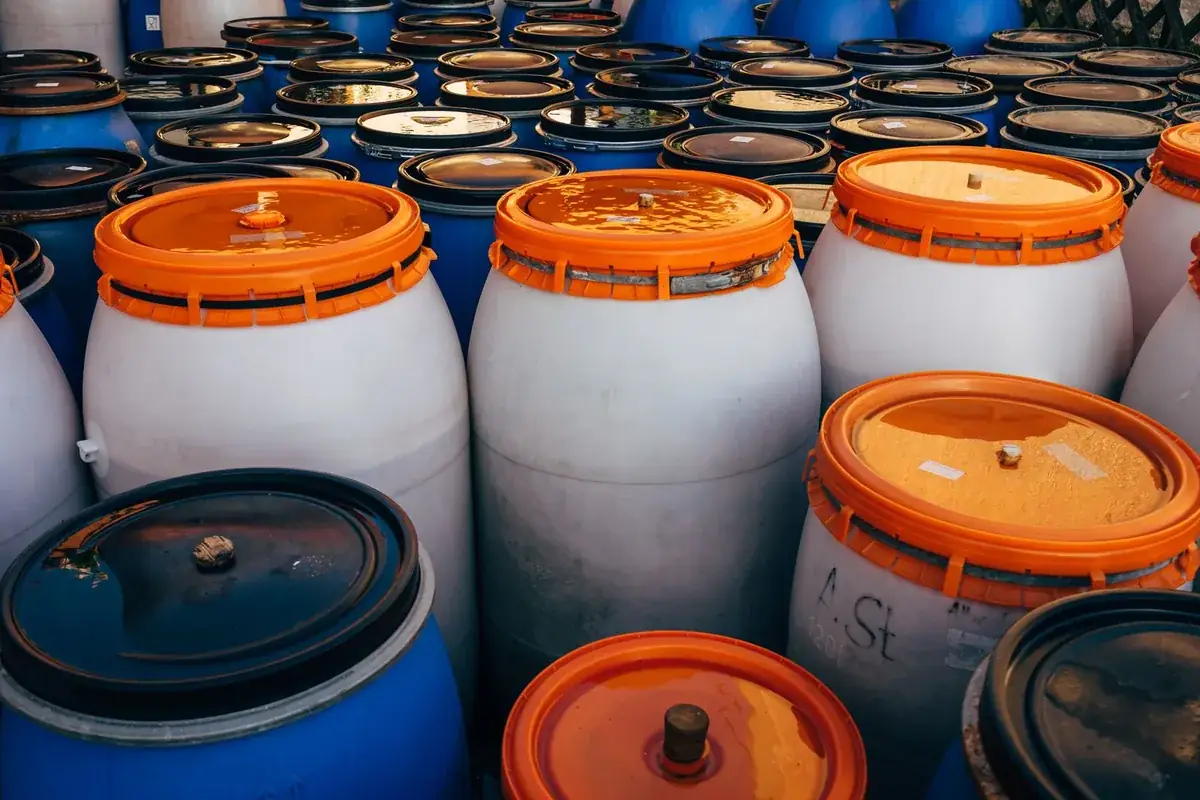
Needle and syringe pickup is a form of biohazard cleanup aimed at sharps. Protective equipment, special containers and proper disposal are part of every job.
Landlords, property managers, families and businesses in Pleasanton and Linn County can get needle and sharps cleanup with help from Pleasanton Biohazard Cleanup Help. You get each step explained and the area left cleaned and checked.
With roughly 42% of Pleasanton households renting, turnover is common and units are checked between tenants. A stick, cut or splash should be checked by a doctor without delay. Miami County Medical Center in Paola serves people in and around Pleasanton.
The work often covers:
You tell the team what was found and where. It explains how the sweep will go and what access it needs.
Crews put on protective gear and search the whole area, including corners, drawers and under furniture.
Tools lift each sharp into a container. Lids are locked, and containers are labeled for transport.
The crew removes the containers, double-checks the space and answers questions before leaving.
The cost of needle & sharps cleanup in Pleasanton, KS depends on the amount of material, how it is packed and how it is hauled.
Hidden spots slow the work. Cluttered rooms, dense brush and storage areas take longer to search than clear, open ground.
| Type of job | Typical range |
|---|
These ranges come from published cost guides () and are not a quote for Pleasanton. Price drivers include number of items, where they are found, whether a sweep of a large area is needed, waste disposal. For a real number, call (877) 812-4220.
A local biohazard cleanup team can search the area and remove needles and other sharps. Some cities and health departments also help with found needles on public land. For a single needle outdoors, the health department is a good first call, and for anything bigger, a cleanup team.
A used needle can carry bloodborne pathogens such as hepatitis B, hepatitis C and HIV. The chance of infection from one stick depends on many things, and a doctor can explain what applies. Get medical care promptly after any stick or cut.
In many cases the person who calls does not need to be at the property. Ask the team how access and keys can be arranged. Many teams can also arrive in an unmarked vehicle, so ask about that if privacy matters to you.
Yes, because children may pick up what they find. Teach children to stay back from any needle and tell an adult. If a child touches or is stuck by a needle, wash the area, get medical care and call Poison Control.
Yes. Insulin pen needles, lancets and similar small devices are sharps, even though they are used for health care. They should go into a rigid container, never loose into trash.
Lease terms and local law decide. A landlord, an attorney or a tenant rights group can say who is responsible. In many cases the property owner books the sweep first so the unit can be used again, and the cost is sorted out afterward.
Ask about discreet arrival in an unmarked vehicle if privacy matters.
Call (877) 812-4220